Offering Support, Sharing and Growing Together
Everyone has a story to tell. Here’s why it’s important to share your lessons learned, challenges and perspectives with the industry. To do so, please fill out our survey.
Words by Rosa Sophia
For years, Mobile Electronics magazine has gathered feedback and shared stories and experiences of industry professionals. The goal? Helping everyone to grow—together. You can help, too, by sharing your own story or lesson learned. Mobile Electronics Association president Chris Cook said, “Sharing peer-to-peer information helps make an impact. Tell us about your experiences in your store, in the industry, what’s positive about it and what’s negative about it. These things can help others.”
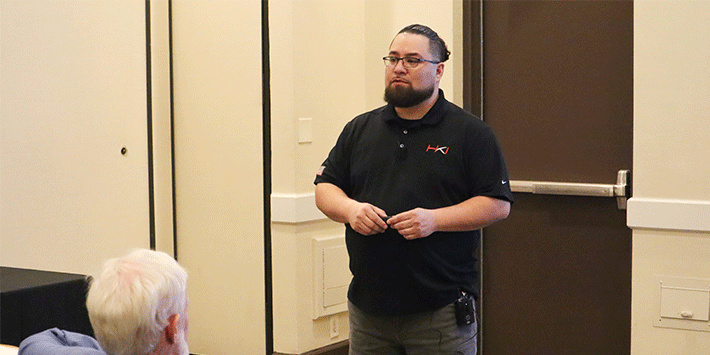
In one of our monthly articles, Hot Sellers, we aim to present how retailers handle customer objections. Elias Ventura of HKI suggested that objections aren’t necessarily a bad thing. Instead, he sees it as a sign that “we’re almost there.” He offered his perspective as someone who’s worked in both sales and on the manufacturing side: “The customer is asking for a little bit more in order to have the confidence to buy.”
Car audio, he said, is more of a niche—a want rather than a need. “But if you set the tone, they’re going to show up. If you ask the right questions or you give the customer a good first impression, they’ll show up.”

He also encouraged industry colleagues to share their own perspectives. “There are no secrets in our industry,” he said, adding that the only difference is that an approach or a particular sales method might be taught differently. “We’re not reinventing the wheel.”
Simple Improvements Can Lead to More Sales
When it comes to customer objections, Ventura said it can help for a salesperson or retailer to take a closer look within. “Sometimes the first impression creates an objection and we don’t even know it. Sometimes it’s how you answer the phone. If you don’t sound happy when you answer the phone, guess what? That customer will call somewhere else, and they’ll go to the guy down the street.” If the objection is product-related, Ventura said, “I was always big on show and tell. When I’m showing the customer the product, I’m making them part of the selection process.” He then affirms the selection by saying something like, “So, you said you wanted wireless Apple CarPlay, right? This is what I’d recommend.” The customer may feel the estimate is too high, at which point, Ventura said the salesperson might recommend a “value savings decision. The customer could say, ‘No, that’s what I really want.’ To me, a product objection is either reaffirming what they really want or need, or checking to see if we missed something.”
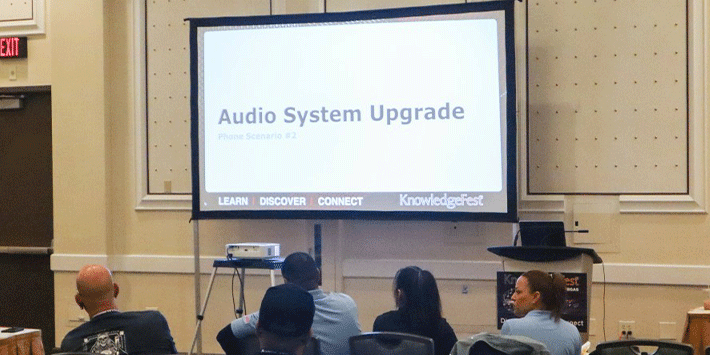
He noted that negative body language will cause problems. “Sometimes the first impression is an even bigger objection before the customer has even called you or set foot in your store. Sometimes that’s our biggest enemy.”Often, the bigger issue is the impression given by the store or staff itself, Ventura said—the appearance of the business, or the attitude of employees. At KnowledgeFest, Ventura has taught courses on first impressions and “phone 101.” He noted that he feels many businesses could close more sales by simply improving their skills when it comes to answering the phone.
“The reason I taught the phone 101 class is because a lot of the businesses I see, throughout the mid-Atlantic and northeast, they just answer the phone and say [the name of the shop].” The person answering the phone, he said, isn’t offering their own name, they might mumble or they often speaking too fast. He noted it’s important to smile when answering the phone—a tip he said he learned from colleague Tommy Spears—and more importantly, speak clearly.
When a client is calling, “they want to buy. Or they want to inquire. They want to learn something. I feel like phone etiquette is a lost art for the majority of the industry, and I feel that everyone got too comfortable during the pandemic.” Answering the phone the right way, he added, will make a customer want to buy from that store.
“During COVID, the phone is how we got business—being a ‘people person’ over the phone. That’s how most of our business happened, because it was less in-person and more virtual. That’s how we stayed busy. All it takes is having the right energy, the right impression and not hiding behind slouched body language while answering the phone.”
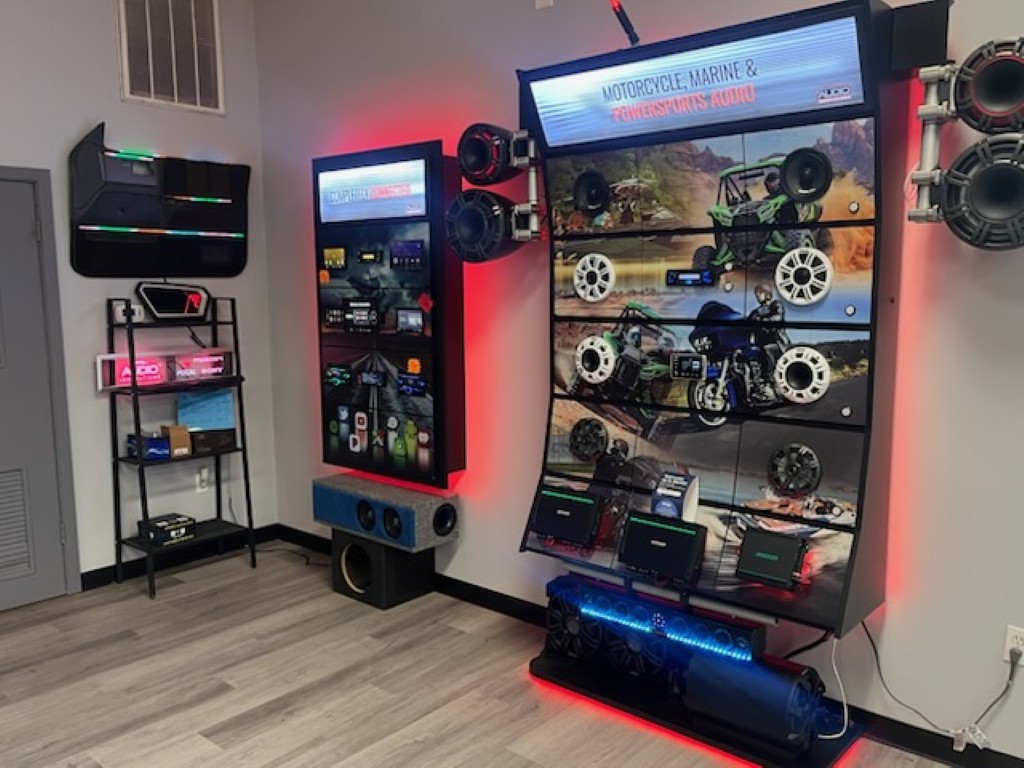
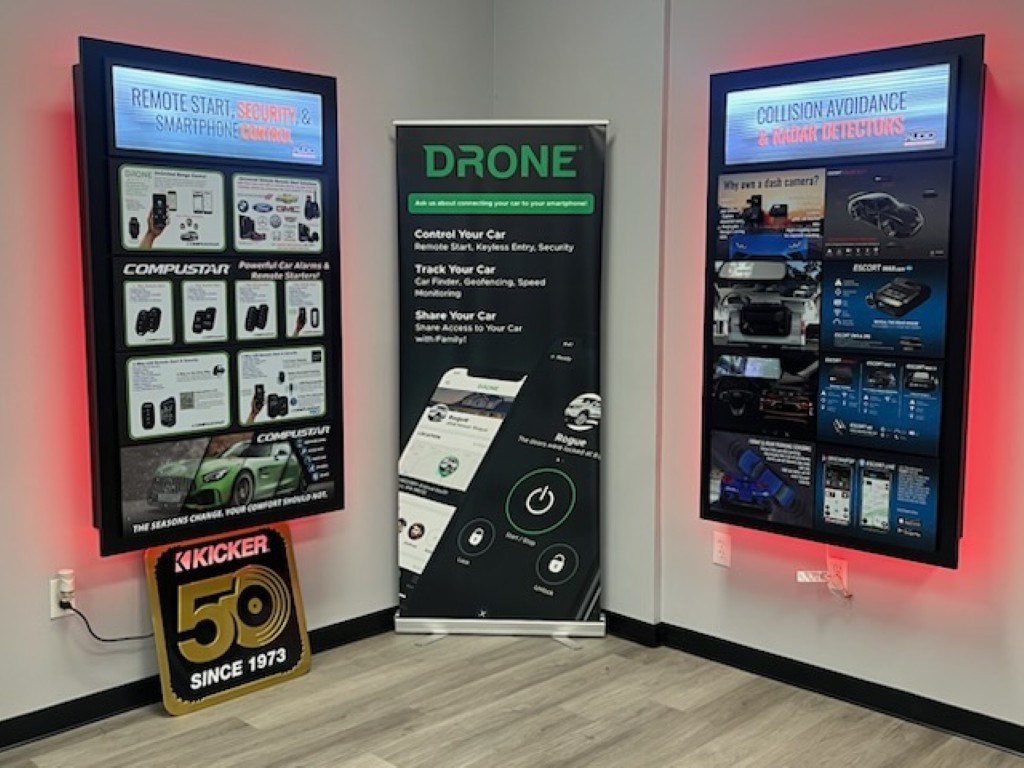
He then cited Chris McNulty of Driven Mobile Electronics, who he said has a specific strategy for answering the phone. McNulty, he added, answers the phone by sharing his name and the name of the store, and when he’s getting ready to hang up, he says, “When you come in, my name is Chris. Thanks for calling Driven Mobile Electronics.” The call is composed of both a greeting and a planned exit, he noted.
Lift Others Up by Sharing Your Experience
While not everyone knows of the poet and clergyman John Donne, just about everyone has heard the famous line from his 17th century sermon, “No man is an island…” In any walk of life, we’d do well to take his advice to heart.
In times of difficulty, it’s easy to get tunnel vision, according to Jim Rogers of Audio Innovations in Conway, Ark. A person can get so focused on their little corner of the world, he said, “you lose the big picture of what’s really going on and what needs to happen. I’m guilty of it. Luckily, I talk to enough people and keep up with friends, so that helps keep me focused and centered. That’s where networking comes into play.”
Audio Innovations is down about 20 percent this year from last year, according to Rogers, who said he can’t pinpoint the reason. However, he added, “Customers are shopping on price. They’re going to the Internet.” Businesses may have lost the ability to successfully demonstrate the value of a product, he said, noting that salespeople need to be able to show why one product is better than another.
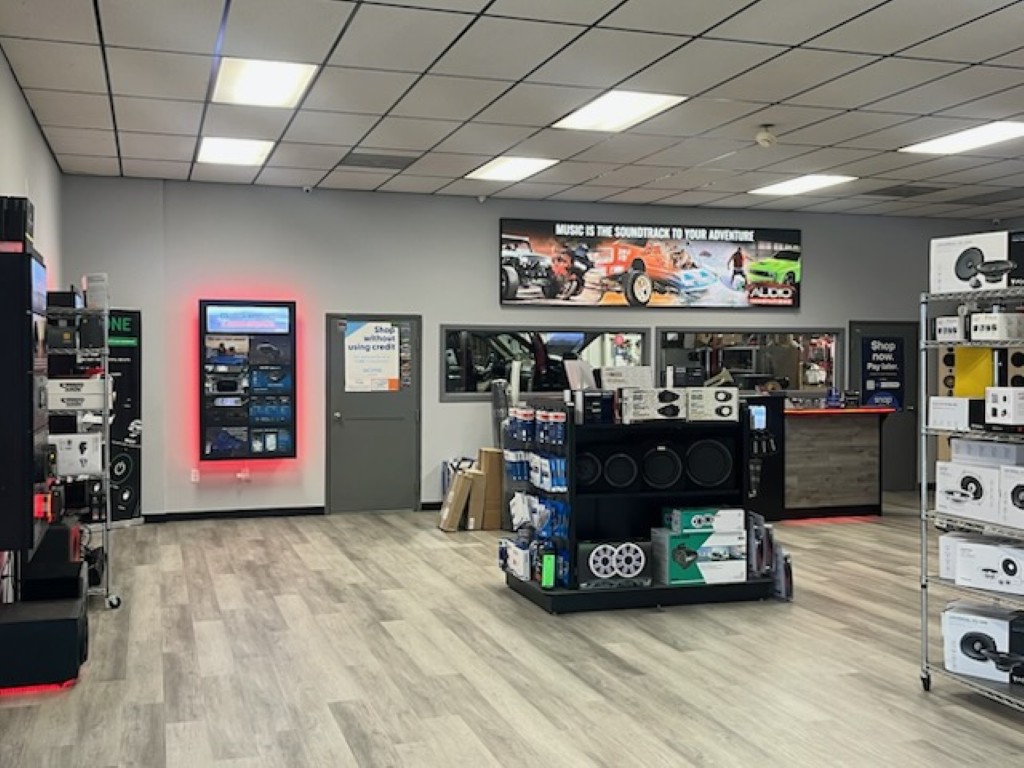
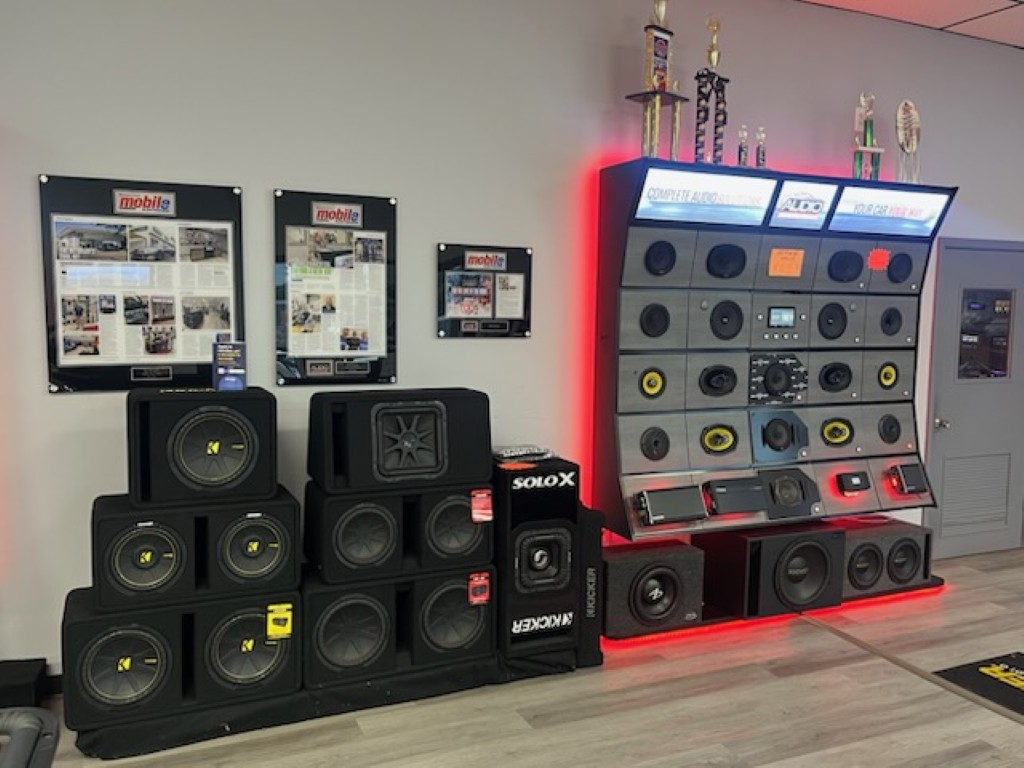
“That’s something I’ve been working on with Nick Wingate and HKI. We want to teach dealers what’s available.” During class, Wingate will point out to attendees how much more money the home audio sector makes per year. Shops, he said, should be trying to attract clients with “high-end home audio systems and expendable income. There needs to be a shift in how we present products and how stores look. I learned that in class when I went to my first KnowledgeFest in 2011.”
Meeting likeminded people at industry events is important, he added. “[We need that] sounding board if we’re dealing with an issue.” For example, he said, a retailer might reject potential revenue streams “just because you don’t think it’ll work in your market. You get in a rut because it’s what you’re comfortable with.” When we can see something from someone else’s point of view, Rogers said, “You may learn a new trick or how to do something more efficiently.”
Share knowledge, Ventura said, to help the industry grow. “If you have ideas to share, reach out. I try to help everyone. But I’m also critical about myself when I can’t.”
Both Ventura and Rogers have observed issues related to sales in the industry—issues that would benefit from the industry coming together to offer mutual support. Rogers said he feels sales classes at KnowledgeFest aren’t as well-attended as they should be.
“We are all in this together,” he said, noting that many salespeople still sell from their own pockets. If someone comes into the shop with an expensive, brand-new truck, “Why limit yourself? Don’t be afraid to ask for a larger ticket. The worst you can do is scare them with a huge ticket and then peel them off the ceiling with something that’s down a step or two. But when you start at the bottom, then we’re all cheap. It’s human nature. A person will take the lowest dollar offer.”
For industry professionals who might be struggling to be objective about the situation of their business or career, Ventura and Rogers agreed a person has to be willing to accept constructive criticism. Rogers suggested a retail manager or owner should take a photo of the showroom in the morning and look at it as a customer might perceive it. Using the restroom as an example, he added, “Would you let your wife or daughter go in there? If the answer is no, fix it.”
Ventura noted that it’s great to ask for help, but this often comes with “advice or a critique that might be a little abrasive. We have to be ready for that. If someone’s willing to help you, whether it’s a coworker, a rep or another business owner, understand that they’re giving you feedback because they want you to do better,” he said. “Maybe it’s not what you want to hear. Maybe it’s what you need to hear.”
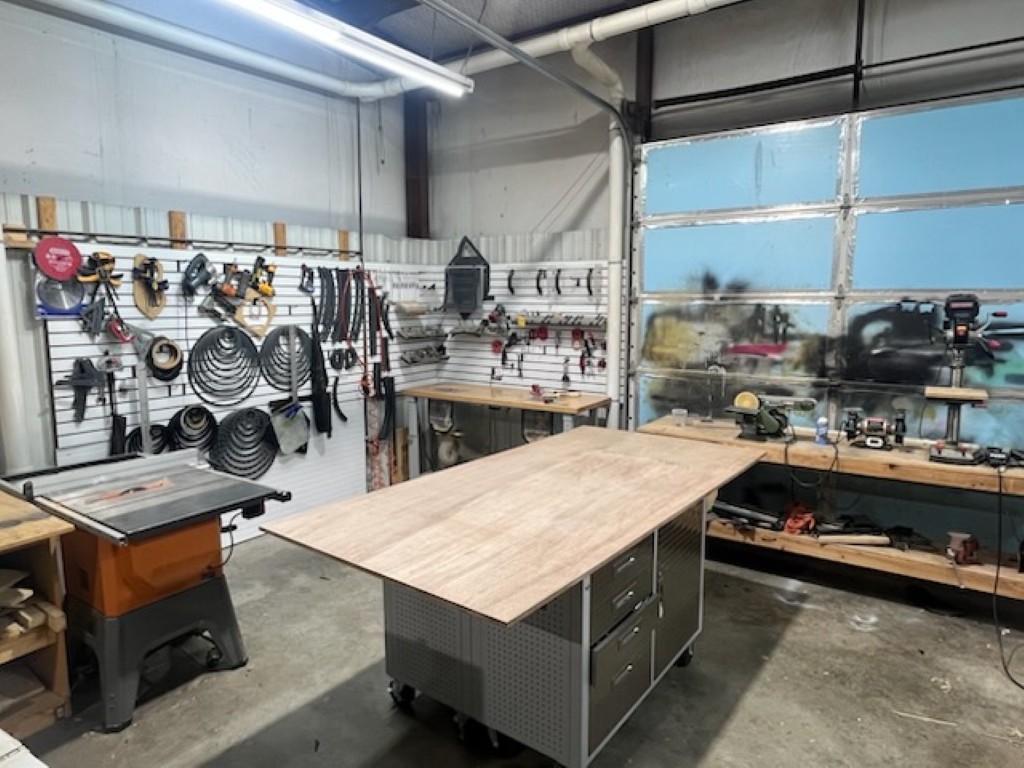
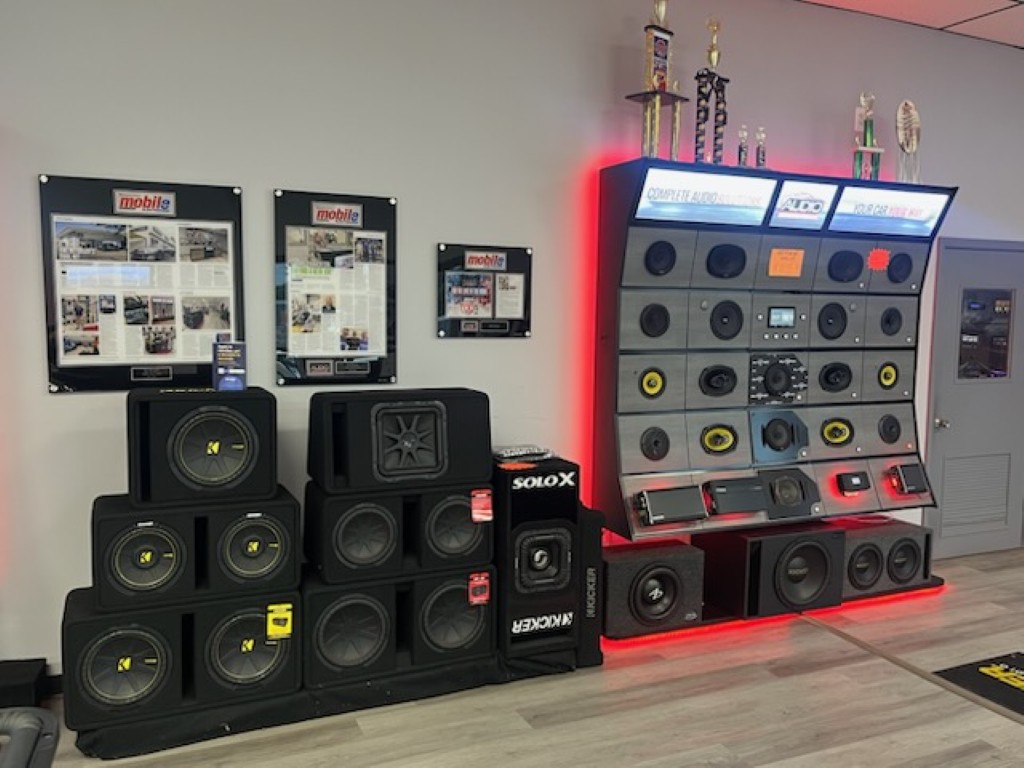
Share Your Experience: Fill Out the Mobile Electronics magazine Survey
Jim Rogers said if those in the industry don’t support one another, it’ll be time for everyone to look for a new career. Industry professionals can offer this mutual support by sharing knowledge and experiences. Click here to fill out the Mobile Electronics magazine survey. This is your opportunity to be featured in the magazine, but most importantly, it’s your chance to share lessons learned with colleagues.
Businesses must find creative ways to continue, Rogers said, adding, “But here’s the trick. You have to progress and move forward. You can’t do things the way we did the 1980s and early ’90s. It’s a different market. Cars are different.”
The industry is a small community, and Rogers feels it’s smaller than ever before due to the influence of the Internet. This makes supporting one another all the more important. He noted that when he first started out in the industry, 30-plus years ago, a person could only meet their mentors by seeing them at a trade show. A couple of years ago, he said, he ran into Wayne Harris and his wife Celise at MasterTech Expo. The experience of being able to sit and talk to them, he added, was a gift.
According to Rogers, a lot of shops are stuck in a rut. “Businesses are going under because they won’t change their mentality. We have to share. We have to work together to keep the industry going, and we have to innovate.”
Do you have a challenge, lesson learned or experience to share with other industry professionals? Please reach out to Rosa Sophia Godshall, editor-in-chief of Mobile Electronics magazine: rosas@mobile-electronicsl.com. We look forward to hearing from you.