Strategy and Tactics – Take the Time
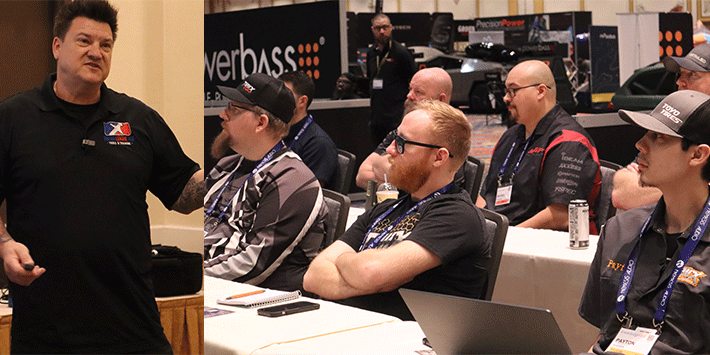
Never guess when it comes to pricing. Elias Ventura and Jason Kranitz discuss how retailers can charge with confidence.
Words by Rosa Sophia
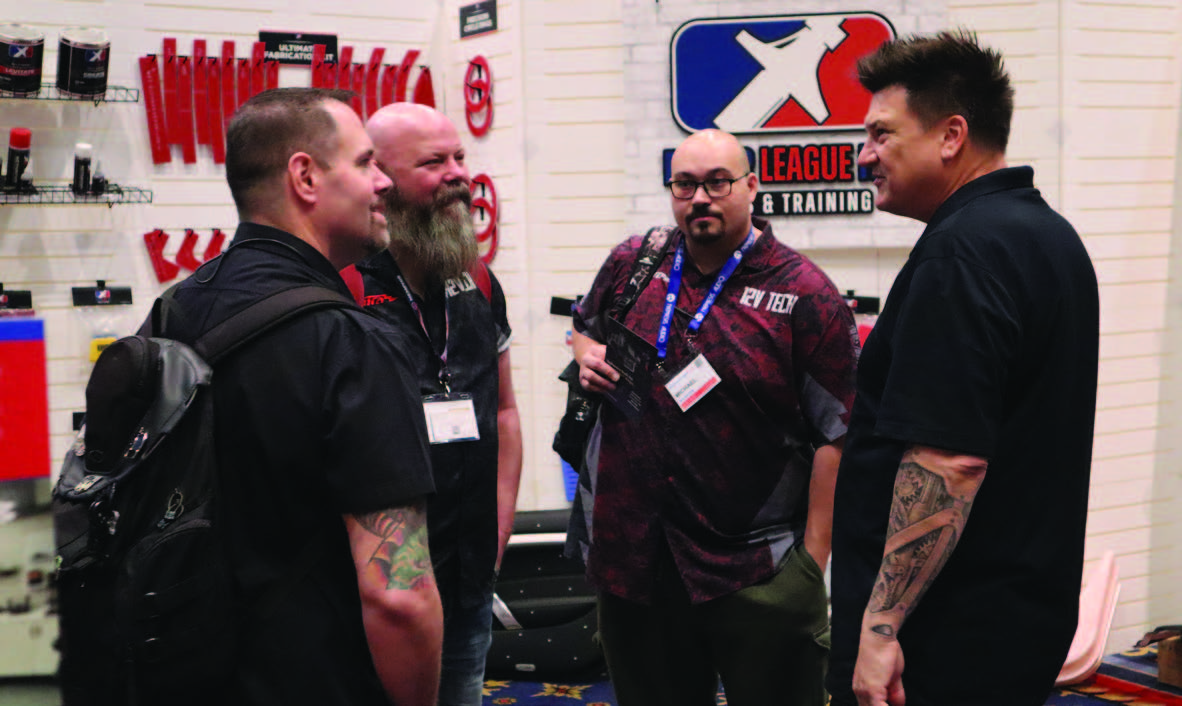
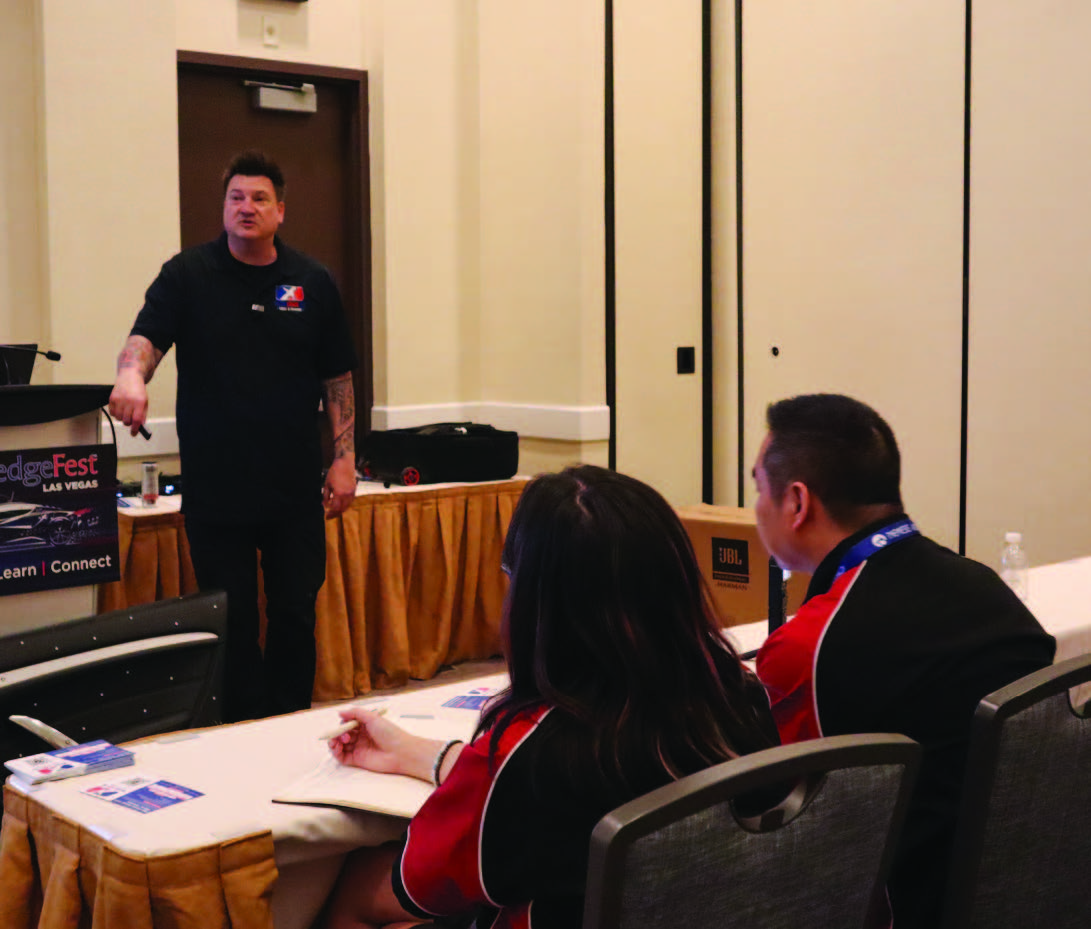
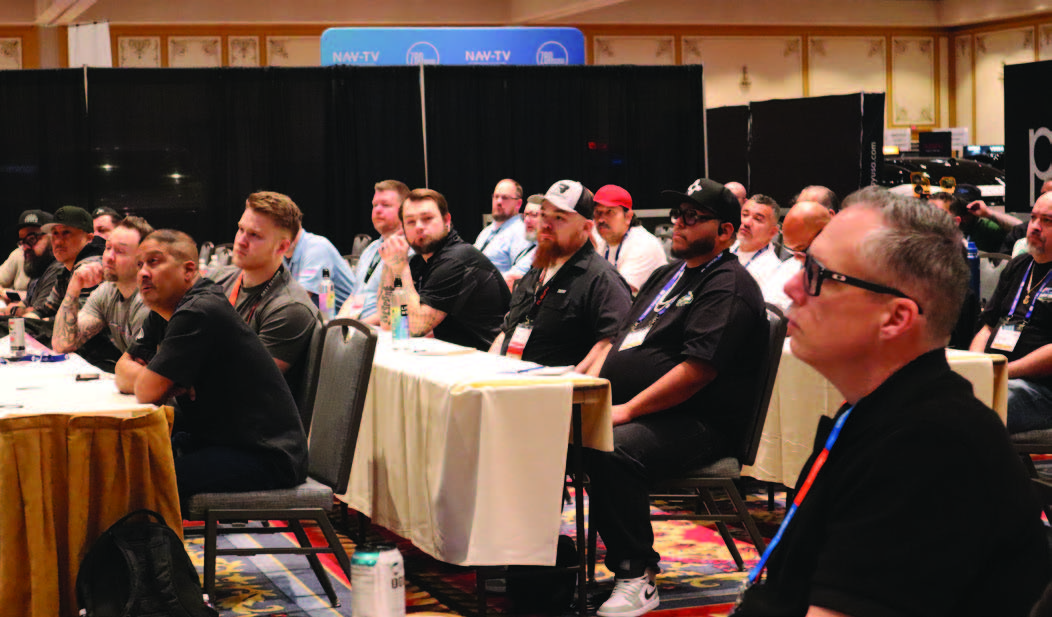
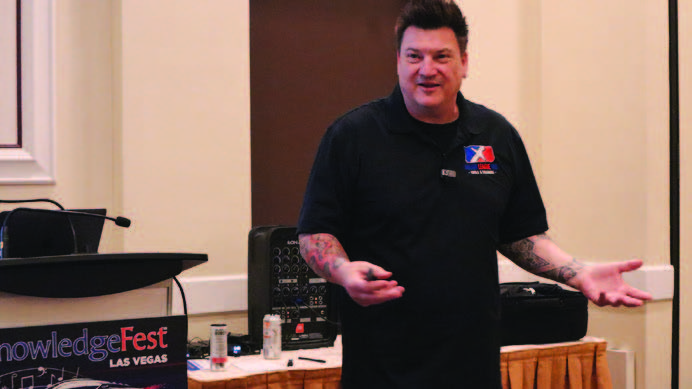
At KnowledgeFest Las Vegas, Jason Kranitz of Major League Fab teamed up with Elias Ventura of HKI USA to present a class called “Bidding the Job for Maximum Profit: Stop Guessing, Start Winning.” The two pointed out that many car audio shops still guess when it comes to pricing, which only succeeds in reinforcing the myth that custom work doesn’t pay. In the class, they discussed how retailers can take control of pricing strategy, “charge with confidence, sell high-value installs without hesitation and eliminate the belief that custom work isn’t profitable.”
Kranitz recalled a time when he once worked at a low rate and was instructed to increase the labor rate. Depending on the complexity of the project, the shop would charge more for labor. Also, he added, different labor rates were listed separately with each additional item on the ticket. “Upgrade, parts charged. Upgrade, parts charged. Pretty soon, the list is really long,” he said. “What happens to the consumer when you do that? They feel like they’re being nickel and dimed.” Billing the project as a package, Kranitz and Ventura said, makes for a less complicated ticket and a smoother transaction. Here are a few takeaways from their presentation at KnowledgeFest.

Carefully Track Time Spent and Billable Hours
If a shop is running behind on a project, Kranitz said it’s important to be upfront with the customer. “Call them and say, ‘Hey, we don’t want to rush anything. We want to make sure it’s perfect for you, but unfortunately, we won’t be done today. I’m going to call you at three tomorrow and we’ll schedule a time for you to pick it up.’ They just want to be able to plan the rest of their day.”
Sometimes, during the course of a project, the client may change their mind
about the equipment they’ve chosen. Kranitz and Ventura recommend inputting the installation parts first on the ticket, then labor and finally products. “If they decide they want to change that product, I change it at the bottom and I go back up to make sure I have the correct parts and pieces. This is why it’s important to change the upgrade [first] to make sure we catch things and we’re not giving anything away.”
The installation parts include items such as a harness or adapter. When Kranitz still owned his retail location, he said, “We boxed USB adapters in with the radios and added them to our price so we never forgot it.” The parts list might also include a custom bracket, especially when it comes to a larger head unit screen. The next section lists the labor. And finally, the radio itself is at the bottom in the products list. “Take this formula back to your shops, he added, stating that the template can be easily updated.
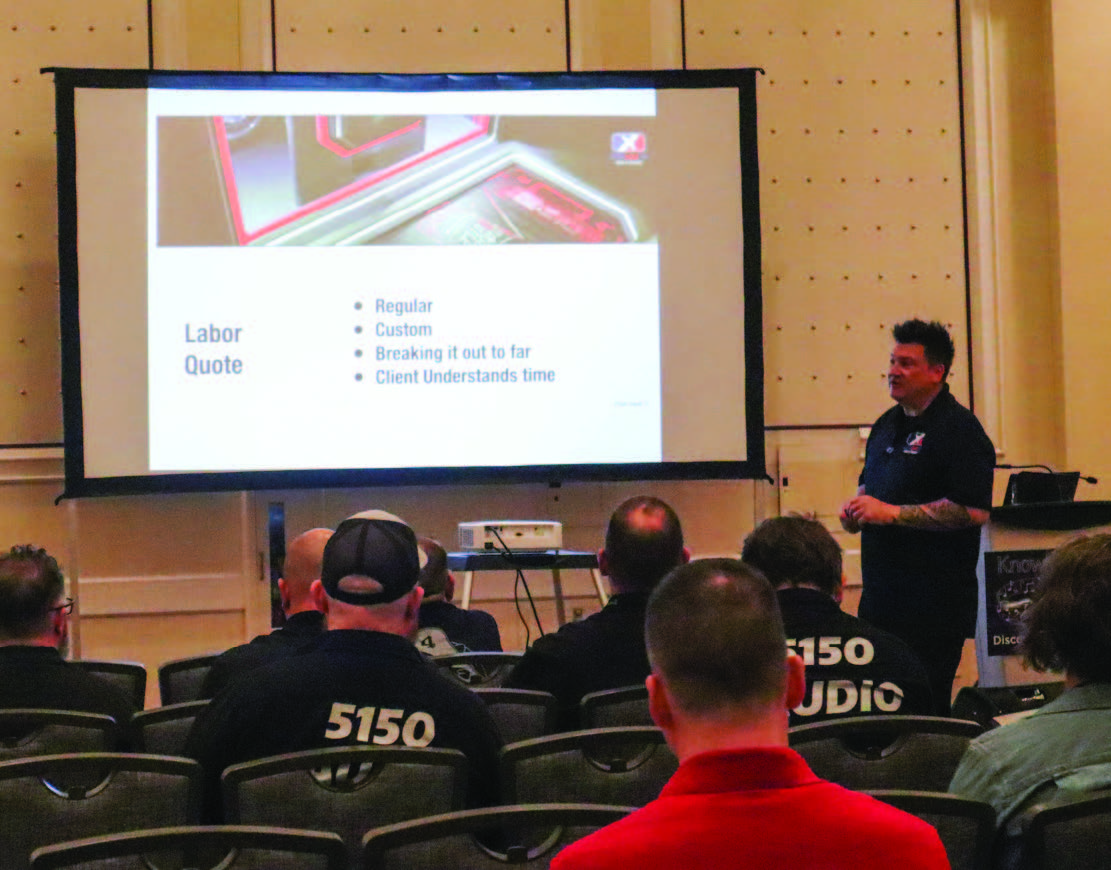
A retailer should also understand the average amount of time it takes to complete certain tasks, as well as the average price for each item. This will simplify billing, Kranitz said. “Take the information for a custom job and build it out. Figure out the average price.” The time allotted for each task can always be adjusted. He recommended breaking things down in quarter-hour increments.
Throughout the presentation, Kranitz and Ventura went through various scenarios—such as running wires—and discussed how long each task would take. Once a retailer has a record, the staff will be more prepared with a flat rate and an understanding of how long it takes to install various products.
When the equipment, design and approach becomes more complex and detailed, Kranitz said it may be time to raise your labor rate. Retailers should not be afraid to do this. “Don’t shortchange yourself,” he said. This is where knowing how long it takes to do something is so important. For example, he added, if a technician doesn’t use CAD, then they’re doing it by hand. “You still have to design it. If you don’t have a machine, then you spend more time creating the template. Consider how much time it takes to design that template.” By creating a plan for basic, repeatable steps, shops can become more efficient and make more money.
Build a record of this, Kranitz said, “and save them in a book. When the customer says, ‘Why’s this so expensive?’ open your laminated book. ‘Because it [accounts for this many] billable hours.’ There’s a lot more involved in it.”
Take the Opportunity to Demonstrate Value
In the past, Kranitz said, he’s often observed people in the mobile electronics industry who never take the time to listen to the car’s current system when a client brings it in. He recommended including it with a ticket so the technicians don’t forget to do it. “Because we’re doing a DSP, I have to figure out which speakers are out of phase. Or, not out of phase if we have an all-pass filter.”
He recalled a project he worked on at another shop: “A guy came in and he had the door panel and dash torn apart. He was upset because he had no bass. A group of guys stood around the car talking about how dumb the customer was. That’s what I heard from across the shop. I asked, ‘Did you guys listen to it first?’ He said no.” In the end, Kranitz told the customer that a small subwoofer was needed in order to produce the kind of bass he wanted. The other tech hadn’t come to this conclusion.
“You can’t be scared to go back out and talk to your client when there’s a mistake,” he said. “They want a solution.” Referring back to the discussion about estimating time and billing correctly, Kranitz said listening to the system should be factored into the time.
A salesperson, Ventura said, should always go out to the vehicle to take a look. Besides the fact that it’s an important opportunity to take a closer look at the car and get to know the client, he noted that it’s also a good time to “talk about how you do things and how much time it takes—and be specific on certain things. For example, if I go out to the vehicle and I say, ‘You have steering wheel controls, you have premium audio,’ then I’m building a foundation [of understanding for the client]” so they know what will be done in order to install the desired product.
In terms of time, he said, “‘Retaining steering wheel controls is quick and easy and takes us a half an hour of time. Retaining your backup camera takes almost an hour.’ Build that value and the customer will realize, ‘Hey, you know what, it’s not just a radio install. There’s more to it.’ Most of the time, they don’t even know if they have premium audio or not.” Sometimes, he added, a client doesn’t even know the correct year for their vehicle.
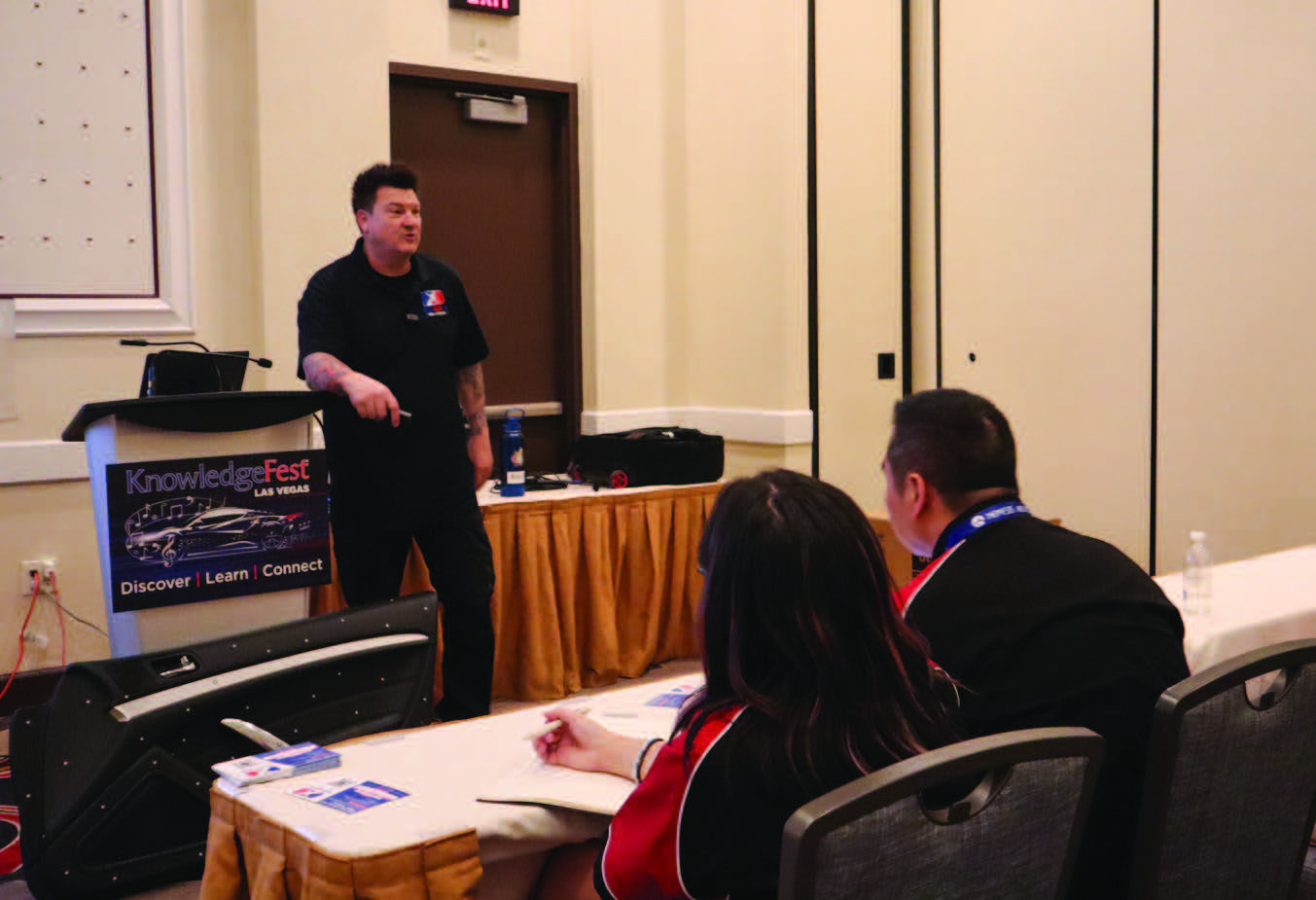
When a salesperson takes a walk out to the customer’s car, Ventura said, they begin to build value. “When you show the estimate, sometimes it’s overwhelming. Everyone freaks out. When you’re at the car, this is where you can show off that list without giving them sticker shock. Now, they’re absorbing it.” The customer realizes, he said, “‘My car is different. It’s going to take a bit more to do a traditional radio install.”
Additionally, the customer probably won’t feel as defensive while at the car with the salesperson: “Rather than scaring them away with a laundry list of parts and adapters and dash kits, talk about those things at the car. They’ll feel a bit more confident about that estimate down the road. They’re understanding it’s going to take time.”
And they’re understanding this, he said, because they’re seeing it as the salesperson explains it—without simply being overwhelmed by information and numbers on a piece of paper.